x

Projects Details

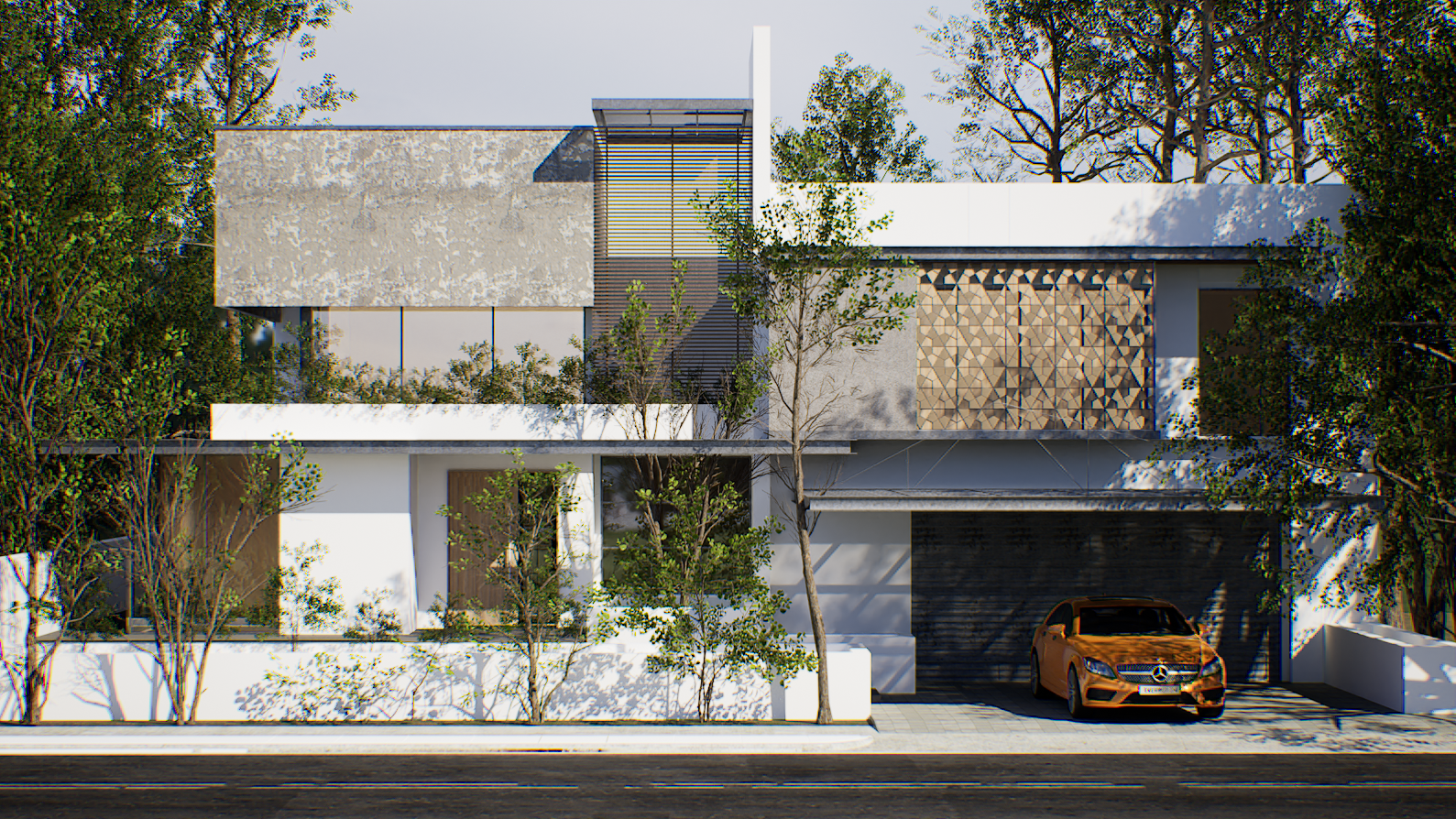
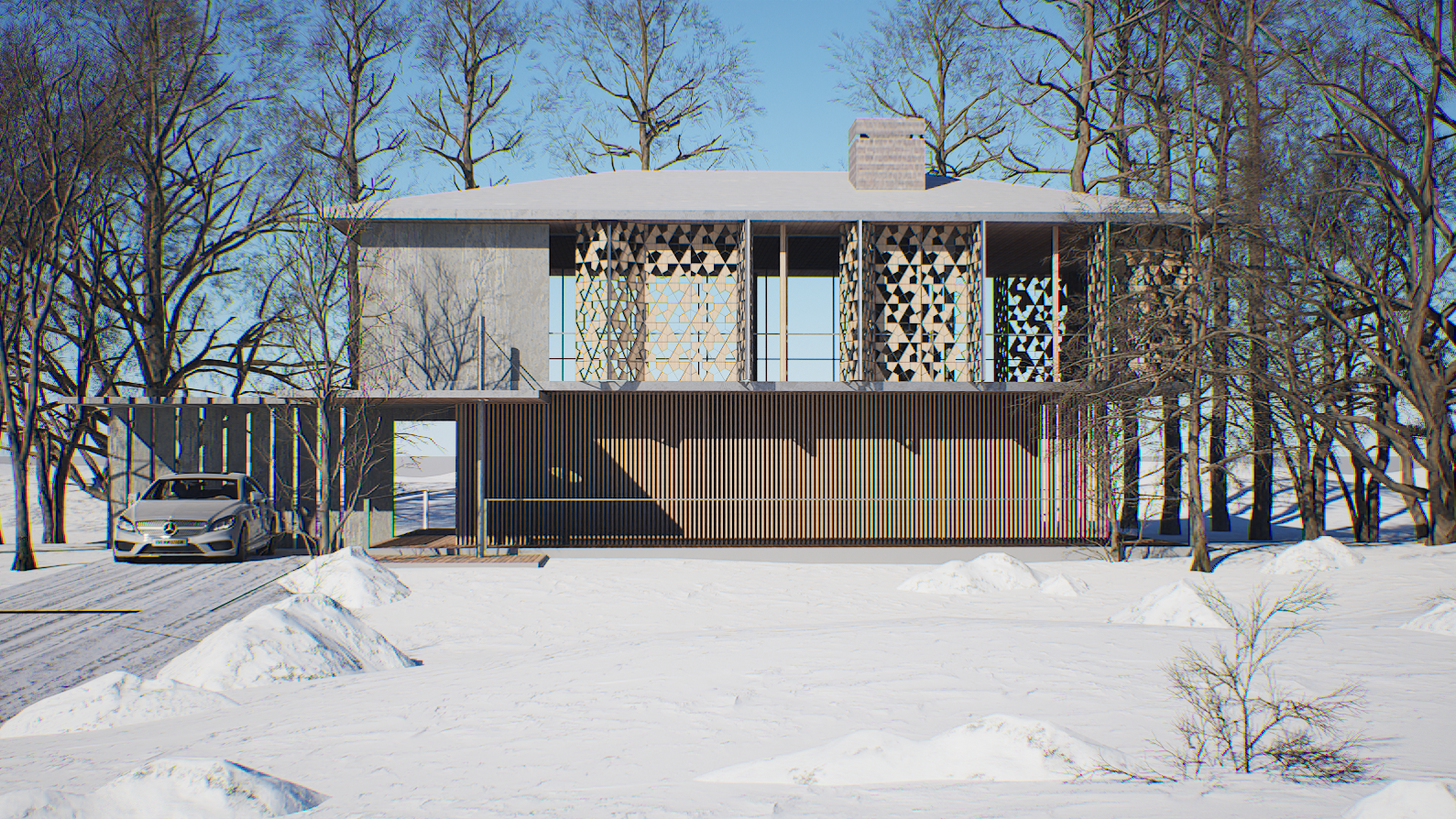
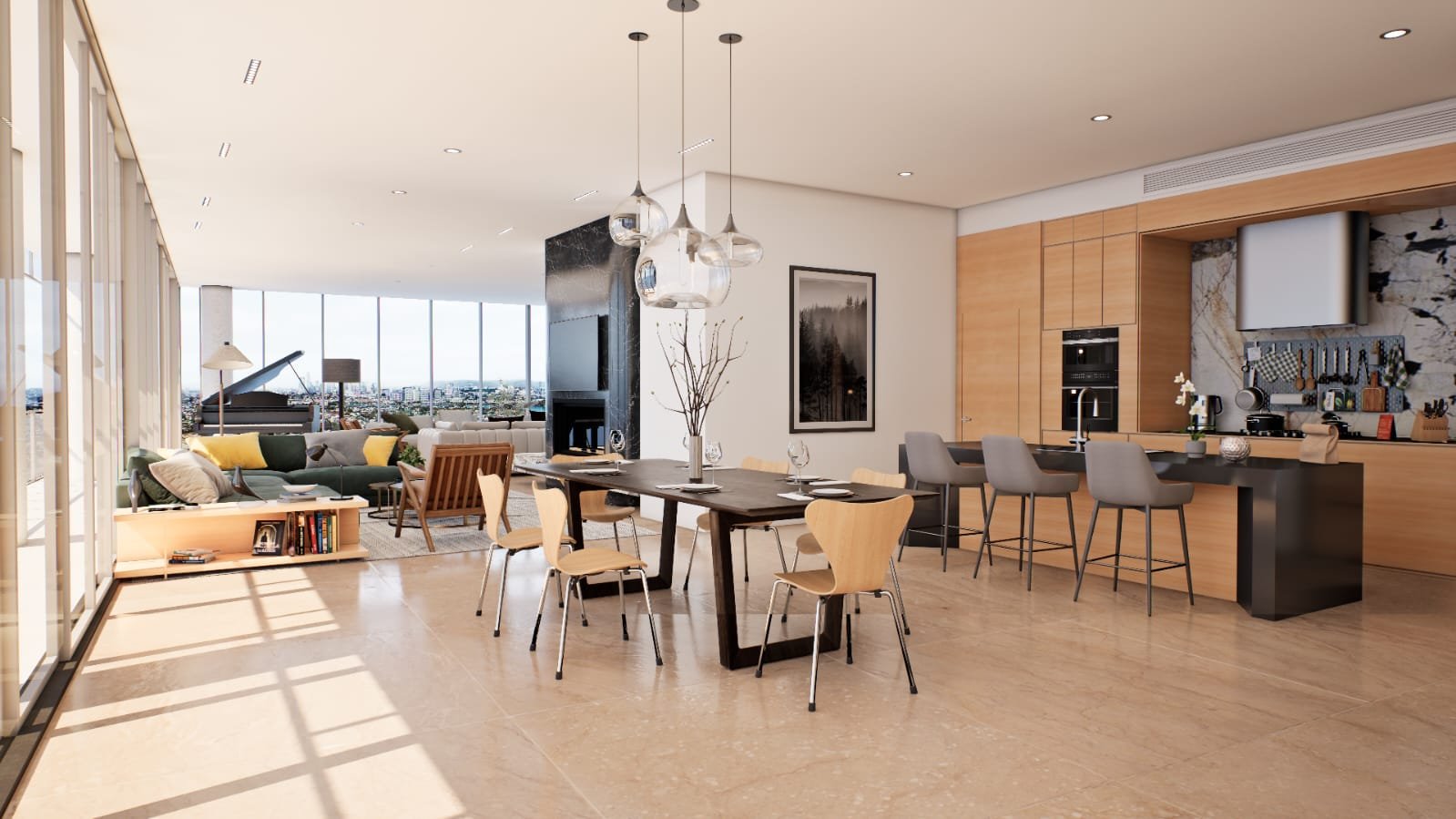
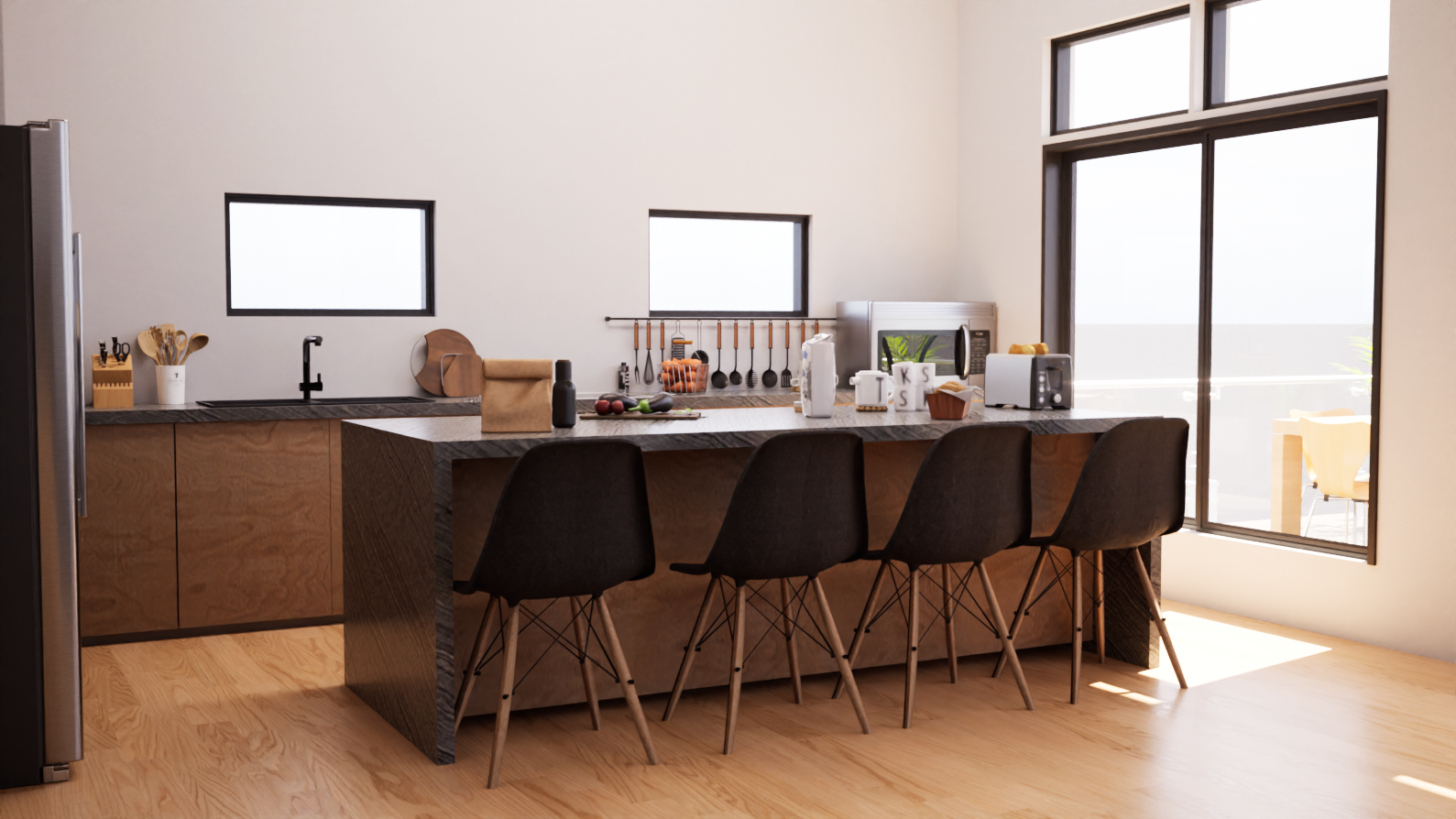
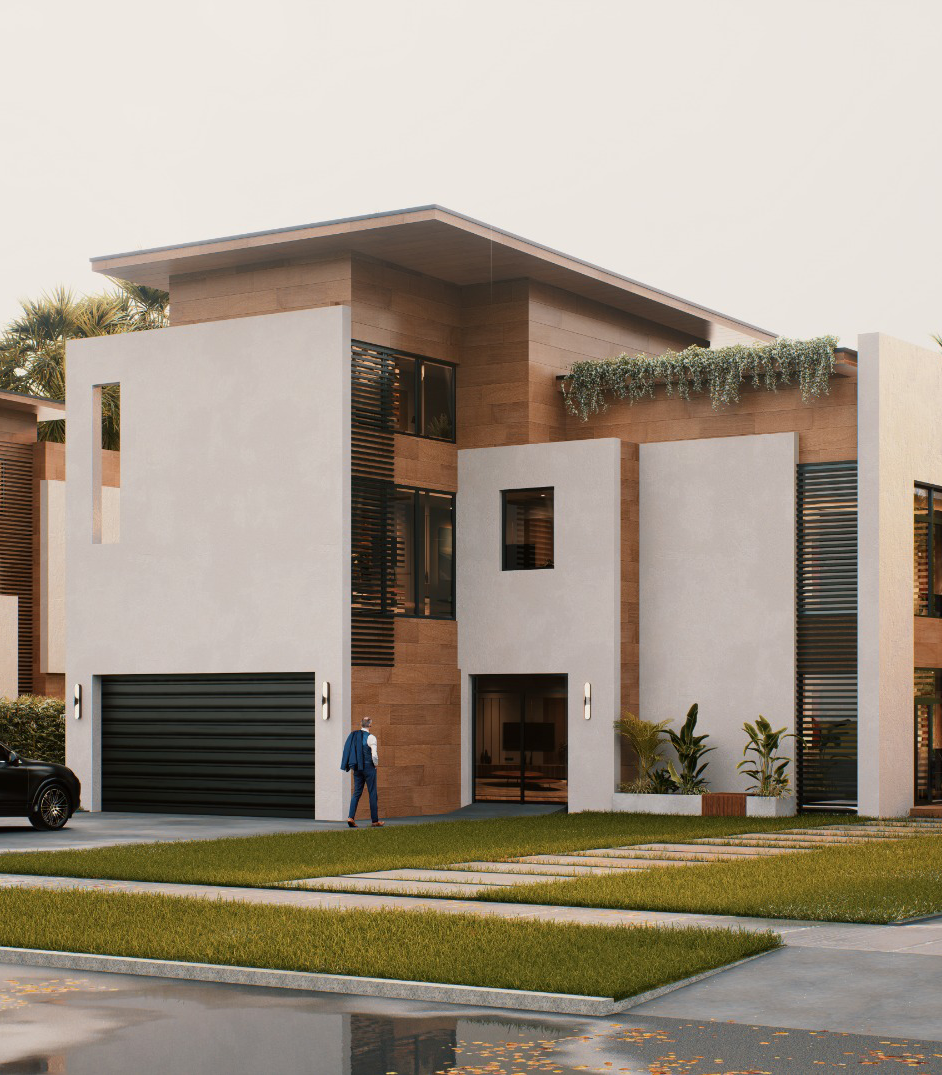
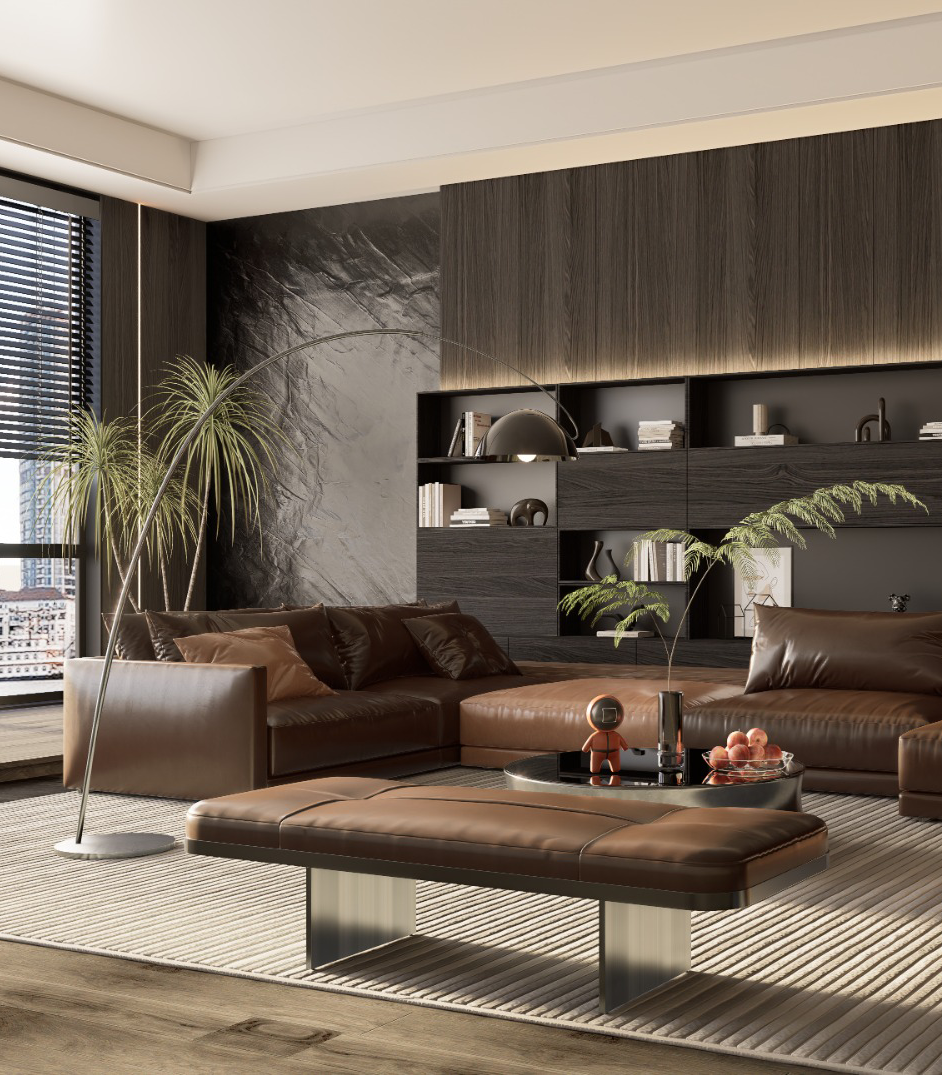
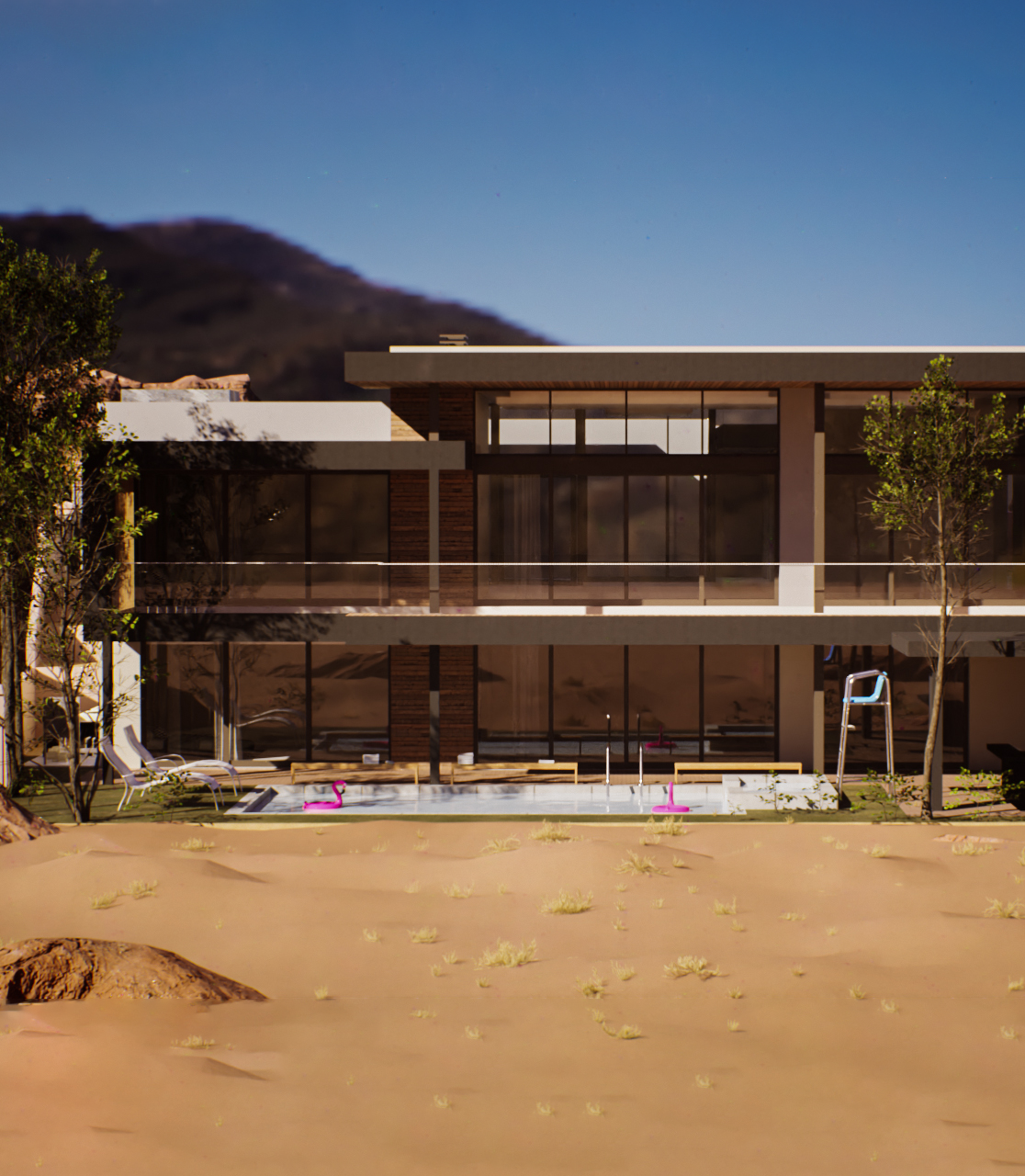
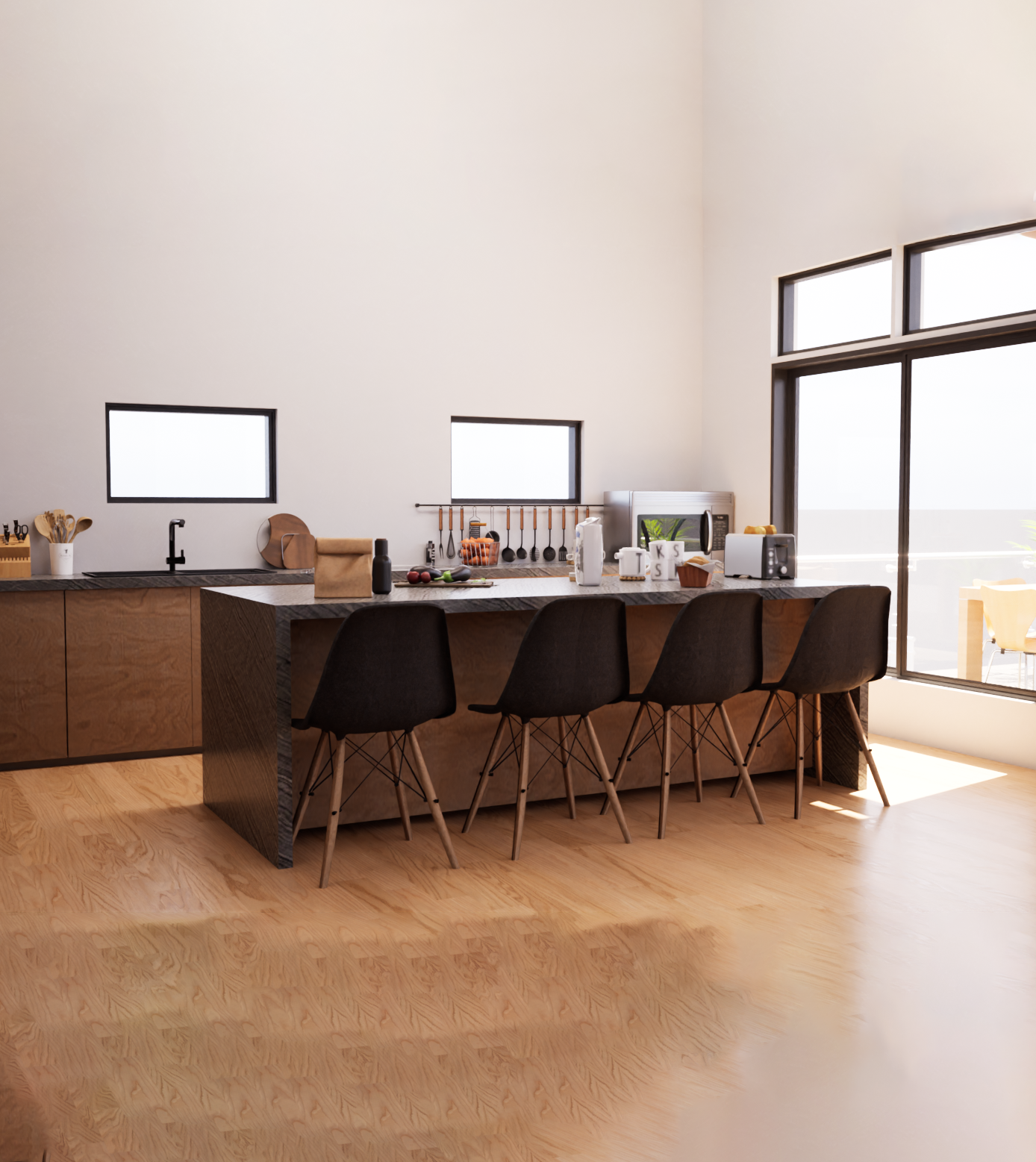
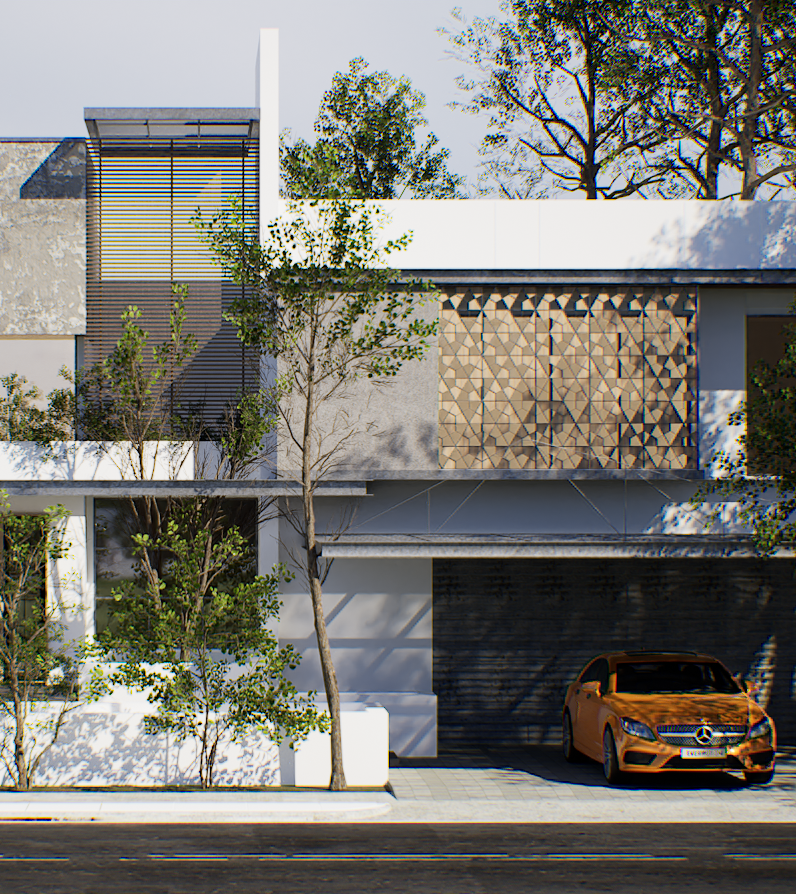
Within Unreal Engine, we focus on scene composition, realistic lighting, material setup, and environmental design. Additional elements such as vegetation, surrounding buildings, terrain, and atmospheric effects are added to enhance realism and create a complete visual experience.

For these projects, 3ds Max is used for accurate architectural modeling, including buildings, structural elements, and detailed components. The models are then optimized and transferred into Unreal Engine 5, where the visualization and interactive environment are developed..

The final result is a high-quality real-time visualization that allows smooth navigation and immersive exploration of the architectural space.

Overview

The process begins with the client providing architectural references such as floor plans, elevations, CAD drawings, or concept images. Using these references, we build accurate 3D models in 3ds Max, carefully developing the structure, layout, and architectural details of the project.

Once the modeling stage is completed, the assets are prepared and optimized for real-time use and then imported into Unreal Engine 5. Inside Unreal Engine, we create the full environment including lighting, materials, landscape elements, and surrounding context to bring the scene to life.

We apply high-quality PBR materials, realistic lighting setups, and advanced real-time rendering features to achieve a visually rich and believable environment. The goal is to create a scene that not only looks realistic but can also be explored interactively.

These real-time visualizations can be used for interactive walkthroughs, VR experiences, presentations, and architectural demonstrations, allowing clients and users to explore spaces naturally and understand the design before construction begins.


Challenge

One of the main challenges in real-time visualization projects is maintaining high visual quality while ensuring smooth performance. Architectural scenes often contain detailed models and large environments, so careful optimization is required to keep the experience fluid and responsive.

Another challenge is achieving photorealistic lighting and materials within a real-time engine. Proper lighting setup, material adjustments, and scene balancing are essential to create a natural and visually appealing result.

Additionally, preparing assets created in traditional 3D software for real-time engines requires efficient asset management and optimization, ensuring that the project runs smoothly while still maintaining a high level of visual detail.

By combining strong modeling workflows with modern real-time rendering technology, we are able to deliver immersive and interactive architectural experiences that effectively showcase design concepts.

Featured

Our Featured Projects

Residential Projects
Explore More
Interior Render Projects
Explore More
Unreal Engine 5 Exterior Render
Explore More
VR Interior Scene
Explore More
Exterior Rendering
Explore More