- October 19, 2025
- Client:
- Project:
- Category:
- Fiverr Clients
- Unreal Engine 5
- VR Walkthrough
Projects Details
For VR projects, 3ds Max is used to create the main architectural models including buildings, interiors, and structural elements. The models are carefully optimized to ensure they perform efficiently in a real-time VR environment.
Once imported into Unreal Engine 5, the scene is prepared for Virtual Reality by setting up real-time lighting, realistic materials, environmental elements, and interactive navigation systems. Features such as VR teleportation, real-time movement, and scene interaction are implemented to allow users to explore the environment comfortably.
The final VR experience allows users to walk through the space, observe design details closely, and gain a true sense of scale and atmosphere within the architectural environment.
Overview
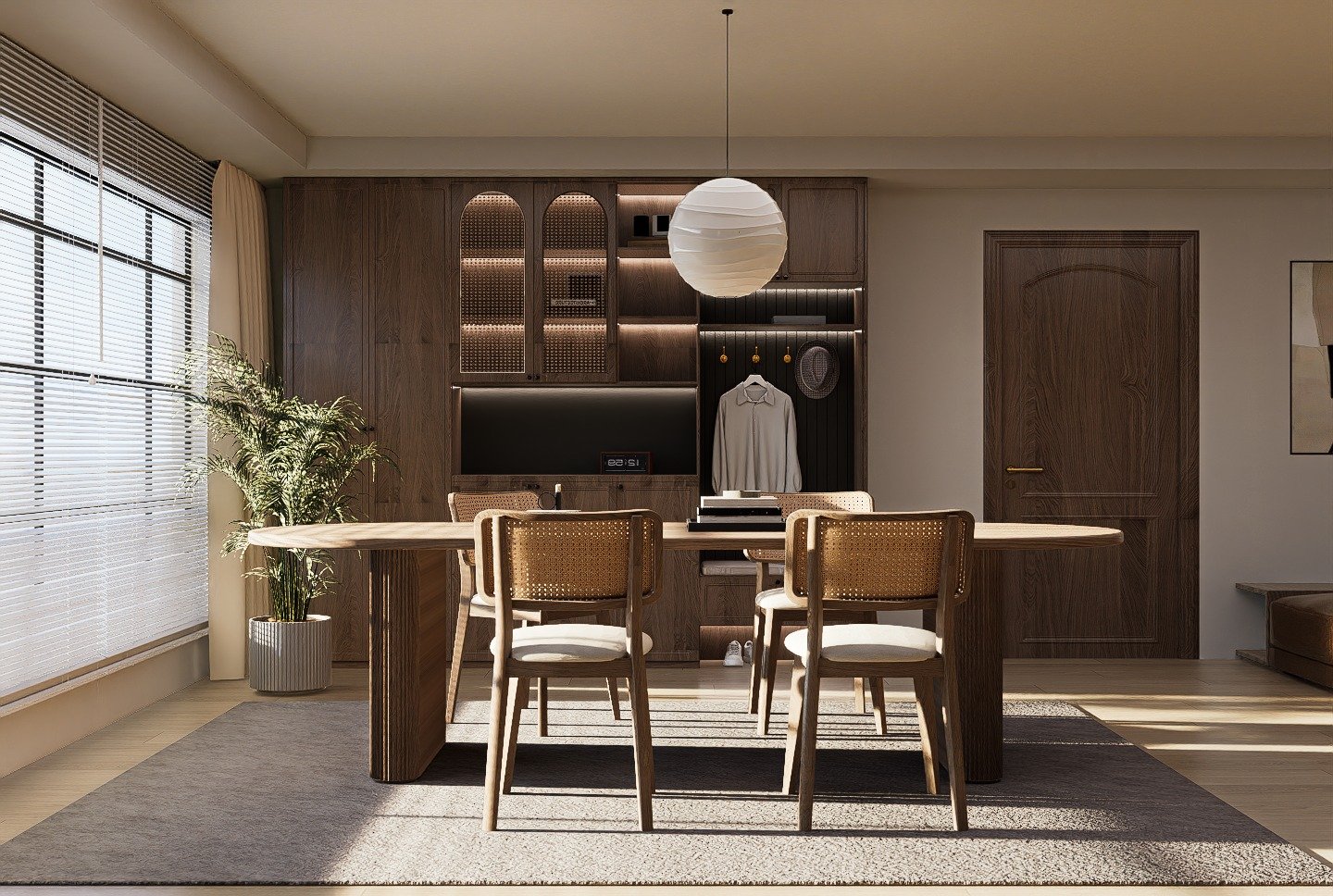
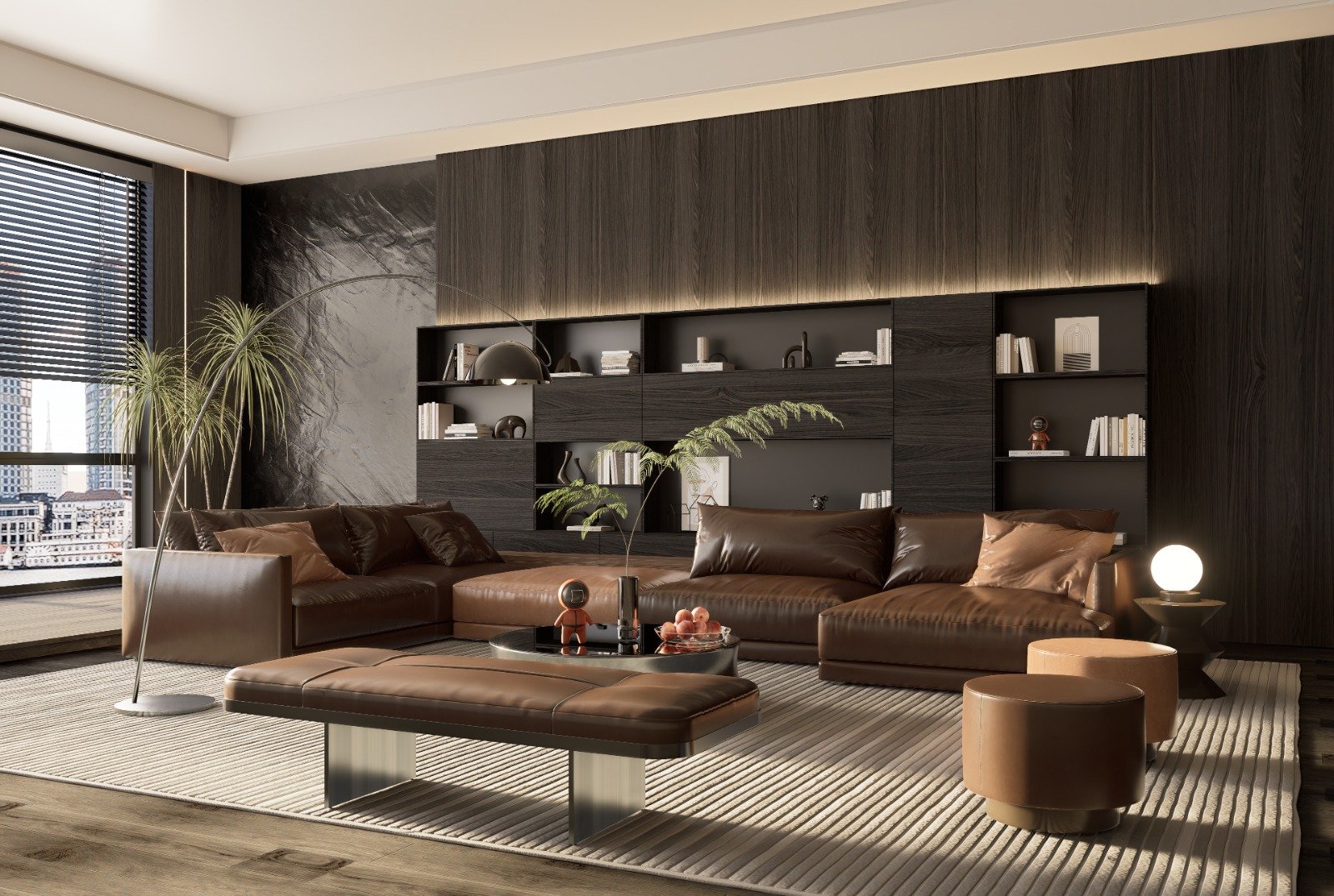
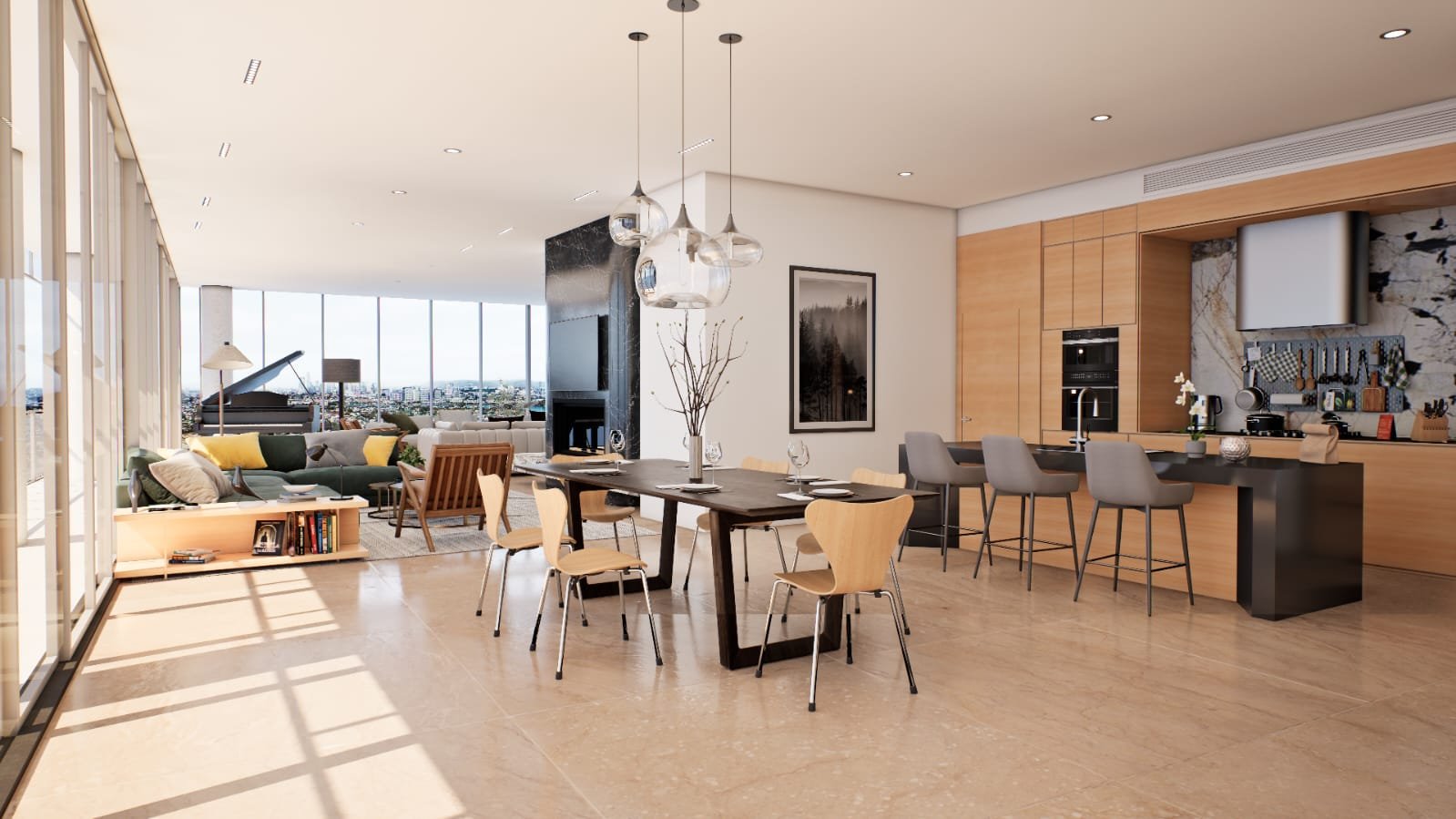
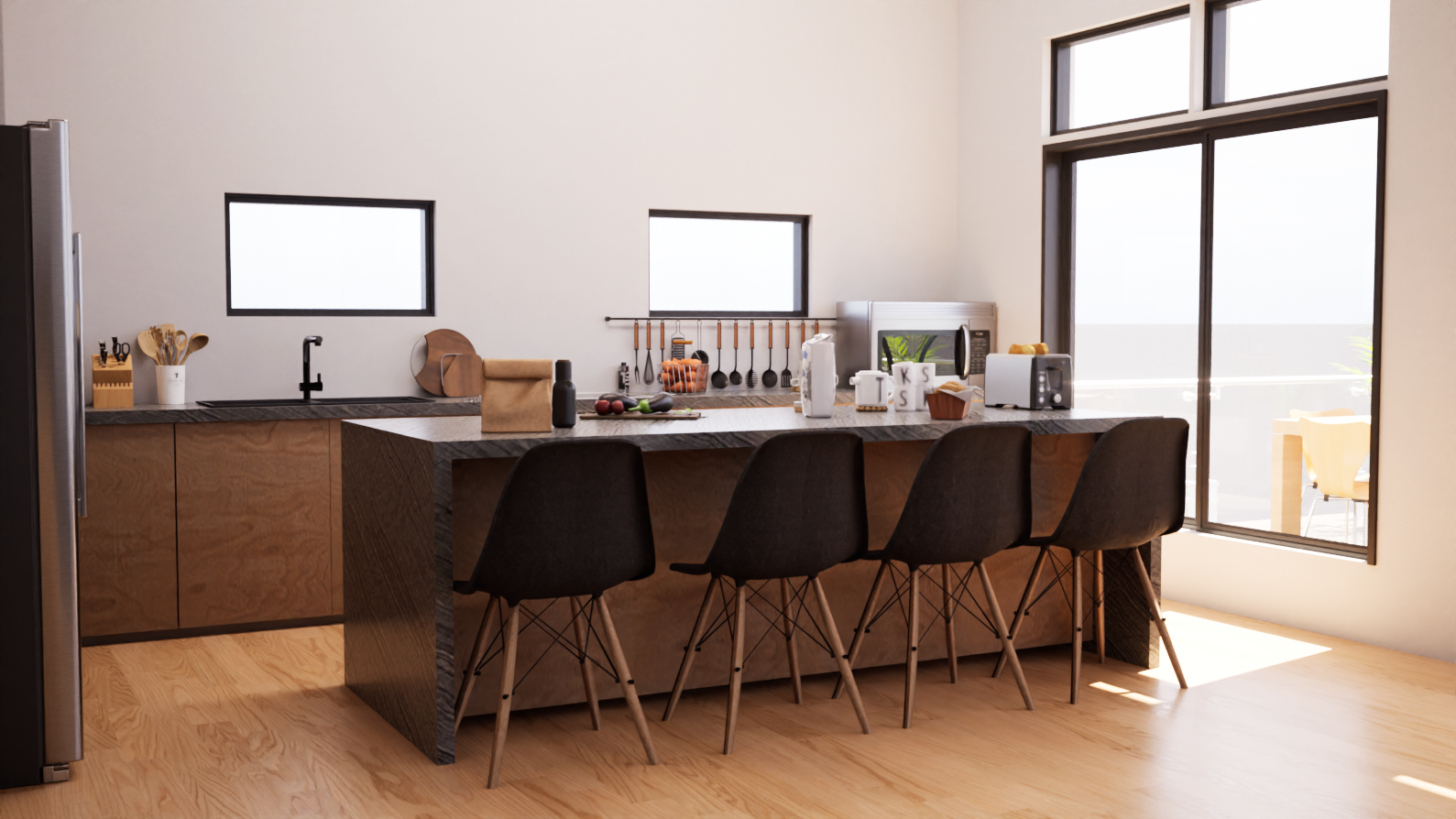
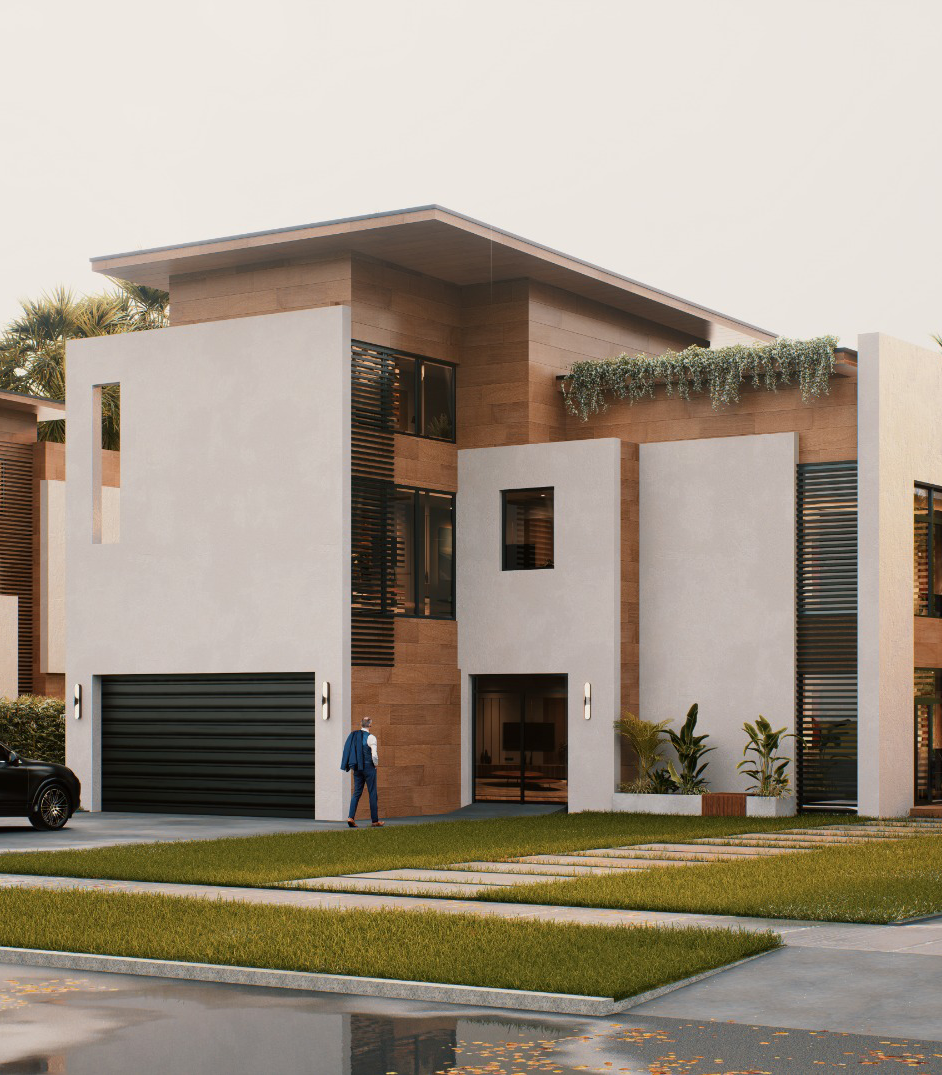
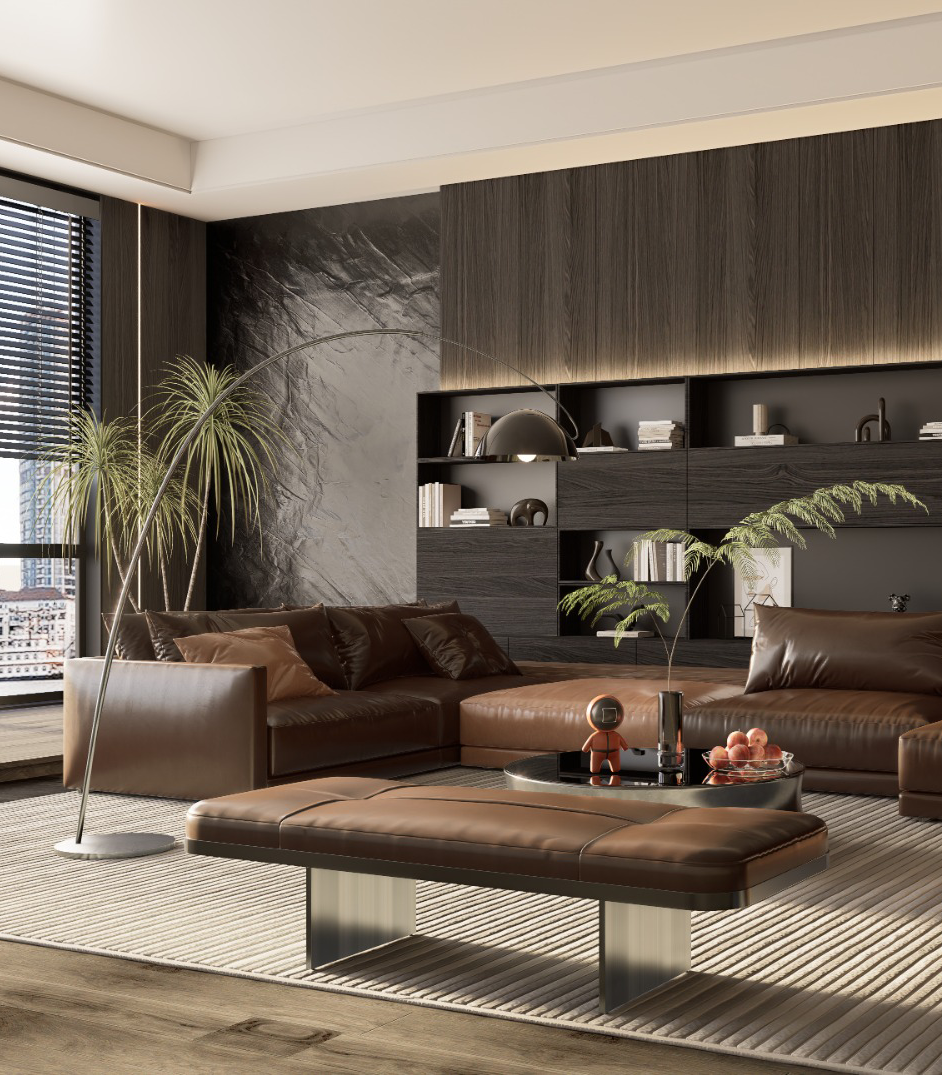
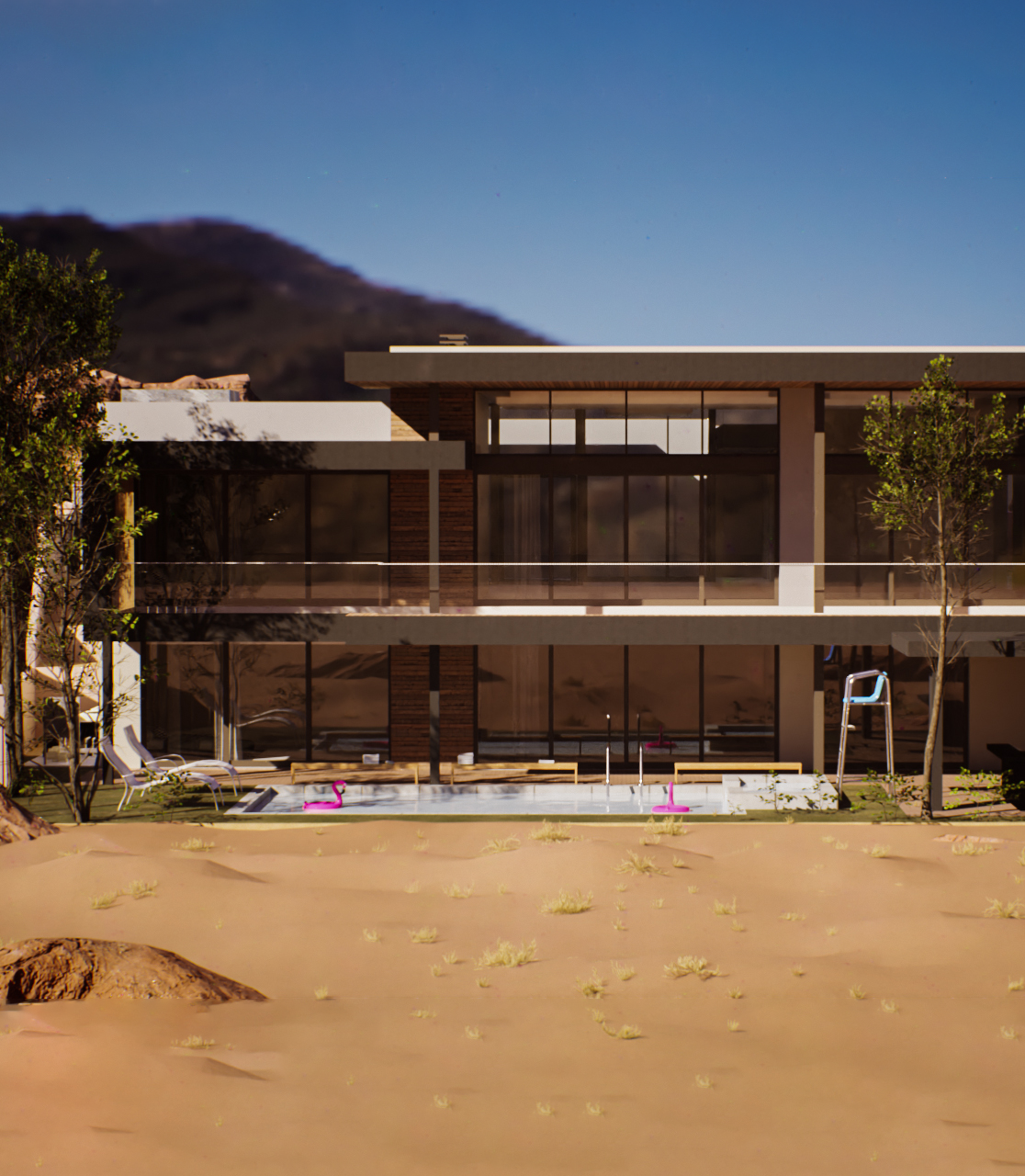
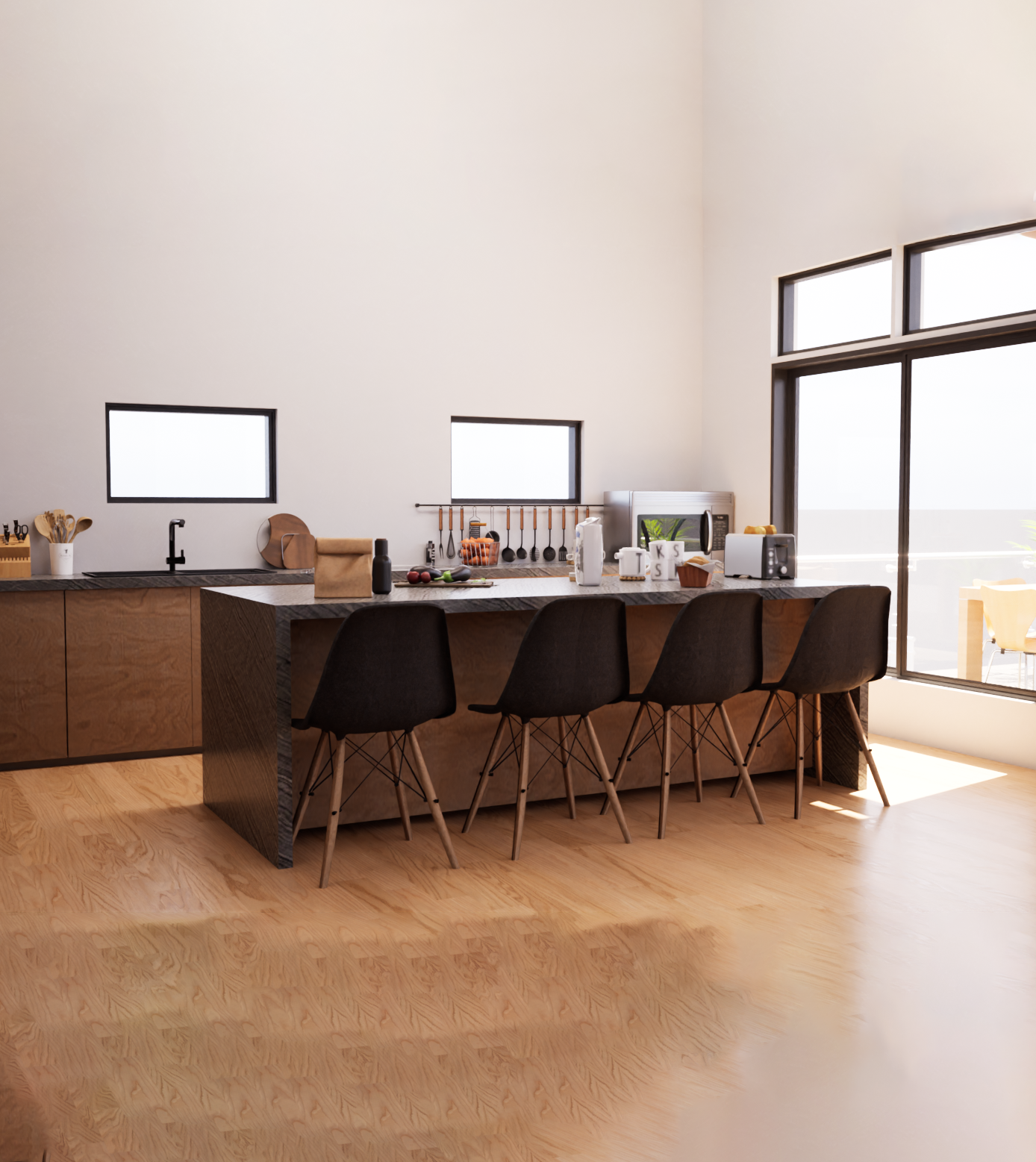
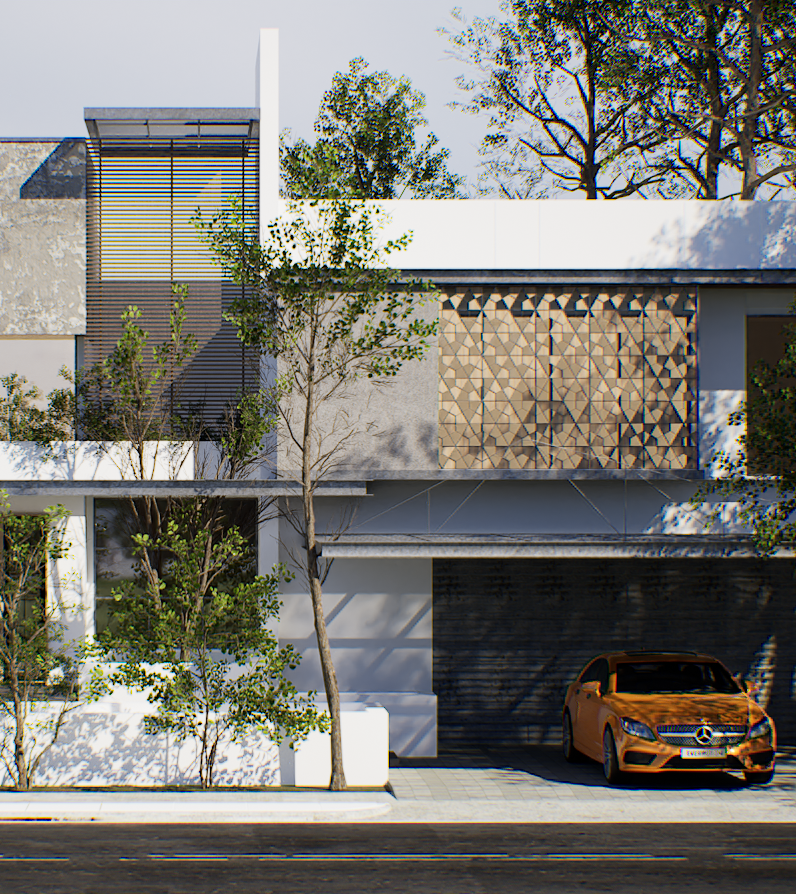
Our VR projects are designed to create immersive architectural experiences that allow clients to explore spaces in a natural and interactive way. Using advanced real-time technology, we transform architectural designs into fully navigable virtual environments that can be experienced through Virtual Reality.
The process begins with the client providing architectural references such as floor plans, elevations, CAD drawings, or design concepts. Based on these references, the architectural structure and key elements are modeled in 3ds Max, ensuring accurate proportions, layout, and design details.
After the modeling stage, the assets are optimized and imported into Unreal Engine 5, where the VR environment is developed. Within Unreal Engine, we build the complete scene by setting up lighting, materials, environment elements, and interactive components to create a realistic and immersive experience.
Using high-quality PBR materials, real-time lighting, and optimized assets, the scene is designed to deliver both visual realism and smooth performance in VR. Users can move naturally through the space, explore different areas, and experience the scale, lighting, and atmosphere of the design before it is built.
These VR experiences are ideal for architectural presentations, client reviews, design evaluation, and interactive demonstrations, allowing clients to understand the project in a much more engaging way than traditional renders.

Challenge
One of the biggest challenges in VR visualization is maintaining high visual quality while ensuring stable performance and high frame rates. VR environments require careful optimization of models, textures, and lighting to ensure a smooth and comfortable experience for the user.
Another challenge is creating a scene that feels natural and immersive in Virtual Reality. Lighting balance, scale accuracy, and environment design all play an important role in making the experience believable.
Additionally, VR interaction and navigation systems must be designed carefully to ensure users can explore the space easily without confusion or discomfort.
Through careful optimization, realistic scene setup, and strong technical workflows, we create immersive VR architectural experiences that allow clients to step inside their projects before they are built.